

Finding the right SEO expert can help your business attract more customers and grow online. An effective SEO consultants directory makes it easier to compare experienced professionals, explore their services, and find the right match for your goals.
Whether you run a small business, an e-commerce store, or a growing company in the USA, choosing the right consultant can improve your website’s performance. From keyword research strategy to technical SEO services, these experts identify opportunities to strengthen your online presence. This guide explores leading SEO consultants, their specialties, pricing, and practical hiring tips. You will learn how to choose a trusted professional who supports sustainable growth and delivers measurable results.
1. Who Is an SEO Consultant and What Do They Do?
An SEO consultant helps businesses improve how their websites appear in search engines. Their work covers research, planning, website improvements, content, and performance measurement. They study how customers search and identify opportunities to reach the right audience. Through search engine optimization services, they help businesses build stronger online visibility and attract relevant visitors.
A consultant may work independently or support an existing marketing team. Some focus on strategy, while others also handle implementation. Their responsibilities often include a Technical SEO audit, keyword planning, content recommendations, and website structure improvements. A good consultant connects these tasks to real business goals, such as sales, inquiries, and customer growth.
What Does an SEO Consultant Do for a Business?
An SEO consultant starts by examining your website and understanding your customers. They research the phrases people use, review competing websites, and identify pages that need improvement. They may also examine loading speed, broken links, indexing problems, and content gaps. This work creates a practical SEO strategy for businesses instead of a collection of disconnected tasks.
For example, imagine a US plumbing company that receives website visits but few phone calls. A consultant might discover that its service pages lack local details and clear contact options. Improving those pages could make them more useful to searchers. The consultant would then track calls, inquiries, and other meaningful results to determine whether the changes helped.
SEO Consultant vs. SEO Specialist: What Is the Difference?
An SEO specialist often focuses on specific tasks, such as content optimization, keyword research, or technical fixes. An SEO consultant usually takes a broader view and helps decide which tasks deserve attention first. However, these roles often overlap. Many consultants perform hands-on work, while some specialists lead strategy and manage larger projects.
When reviewing candidates, focus on their actual skills rather than their job titles. Ask whether they will complete the work, advise your team, or coordinate outside specialists. This distinction affects your budget and timeline. It also helps you understand whether you need one expert or a wider team of digital marketing services providers.
When Should You Hire an SEO Consultant?
Hiring an SEO consultant makes sense when your website struggles to attract qualified visitors or convert them into customers. You may also need help before a website migration, after a major traffic decline, or when expanding into new US markets. A consultant can identify the causes of weak performance and build a plan around your priorities.
You do not need to wait until something goes wrong. Early guidance can help a growing business create better pages, organize its website, and avoid expensive technical mistakes. If your team lacks specialist knowledge, an outside expert can also provide training and direction. The key is to identify a clear problem or opportunity before starting the engagement.
2. Top SEO Consultants in 2026: Complete List

Choosing from a large pool of providers can feel overwhelming. This SEO Consultants Directory introduces established SEO consulting companies and providers that US businesses can investigate. The profiles below describe their publicly known positioning and areas of service, but they do not represent an independently verified ranking of performance. Confirm current services, pricing, locations, and case studies directly before making a decision.
A useful directory should do more than list company names. It should help you compare expertise, business fit, service scope, and evidence of results. Some providers operate as full-service agencies, while others specialize in particular SEO challenges. The right option depends on your website, industry, internal resources, and growth goals.
Established SEO Consulting Companies to Consider
The following companies are potential starting points for your research. Their inclusion does not mean that every provider suits every business, and current offerings should be confirmed through their official websites.
| Company | Publicly known focus | Official website |
| WebFX | SEO, digital marketing, and website growth | webfx.com |
| Bruce Clay | SEO consulting, training, and digital marketing | bruceclay.com |
| Zupo | SEO strategy and consulting | zupo.co |
| Straight North | SEO, paid marketing, and lead generation | straightnorth.com |
| SEO Inc. | SEO and digital marketing services | seoinc.com |
| LSEO | SEO and digital marketing services | lseo.com |
| Infront Webworks | Website development and digital marketing | infront.com |
| On The Map Marketing | Local SEO and digital marketing | onthemap.com |
These providers differ in size, delivery models, and areas of expertise. For instance, a local service business may prefer a provider with relevant local search experience, while a large e-commerce brand may need extensive technical support. Review each company’s service pages and request a proposal that explains its approach to your specific challenges.
How to Compare SEO Consultants Before Contacting Them
The most useful comparison starts with evidence. Review each candidate’s experience in your industry, the types of websites they have worked on, and the results they can explain clearly. Look for case studies that describe the original problem, the work completed, the timeframe, and the outcome. Traffic growth alone is not enough if the visitors never become customers.
You should also examine communication, reporting, and implementation support. Ask who will manage your account and whether the proposed expert will personally perform the work. Independent review sites such as Clutch can provide additional context, but ratings should not replace direct checks. A credible provider will explain limitations, discuss trade-offs, and avoid guaranteeing specific search engine rankings.
3. Best SEO Consultants by Industry and Specialization
Not every SEO consultant has the same strengths. A local contractor, an online retailer, and a software company face different search challenges. The best match understands your customers, competitors, and sales process. This is why industry experience matters when choosing a consultant for website ranking improvement and long-term growth.
Before hiring anyone, ask for examples from businesses similar to yours. A relevant case study should explain the problem, the strategy, and the measurable outcome. Look beyond general claims about traffic increases. You want an expert who understands the relationship between search visibility, customer needs, and revenue.
SEO Consultants for Small Businesses and Local Companies
Small businesses often need help reaching customers within a specific city or service area. A local SEO consultant can improve business listings, location pages, service descriptions, and review management. They may also strengthen local search optimization by making business information consistent and creating useful content for local customers.
For example, a roofing company in Dallas may want to appear when nearby homeowners search for roof repairs. Its consultant should examine local competition, service-area pages, and the business’s Google Business Profile. Success should include relevant calls and inquiries, not just better local search rankings. Businesses should also avoid providers that promise a guaranteed position in Google’s local results.
SEO Consultants for E-commerce Businesses
Online stores need consultants who understand product pages, category pages, filters, and large website structures. Strong e-commerce SEO services help search engines discover useful products while helping shoppers find the right items. Consultants may also review product descriptions, duplicate URLs, structured data, and internal navigation.
Imagine a store selling thousands of outdoor products. Poor filters may create many similar URLs, while weak category descriptions may leave important searches unanswered. An experienced consultant can prioritize these problems and improve product discovery. Effective E-commerce website optimization should support both search visibility and the shopping experience, with sales and revenue providing important measures of success.
SEO Consultants for SaaS and B2B Companies
Software companies and B2B businesses often face long buying cycles. Their customers research problems, compare solutions, and evaluate vendors before contacting sales. A suitable consultant develops content for each stage of that journey. This may include educational guides, comparison pages, integration pages, and detailed product information.
For these businesses, traffic quality matters more than traffic volume alone. A thousand visitors who never match the target market may be less valuable than a smaller group of relevant decision-makers. A strong consultant connects keyword research with sales data and qualified inquiries. They should also understand how to measure organic leads and support the wider digital growth strategy.
SEO Consultants for Healthcare, Legal, and Financial Businesses
Healthcare providers, law firms, and financial companies need careful content management because readers may make important decisions based on what they find. Consultants working in these sectors should understand the need for accurate claims, reliable sources, and appropriate subject-matter review. They should never replace qualified professional judgment with unsupported marketing language.
For example, a legal website should explain services clearly without promising a particular case outcome. A healthcare website should present accurate information and make appropriate credentials easy to verify. Ask prospective consultants about their editorial review process and experience in your field. Their approach should support trust, clarity, and responsible content optimization.
Technical SEO Consultants for Enterprise Websites
Large websites can face complicated issues involving crawling, indexing, JavaScript rendering, site migrations, and international versions. An enterprise consultant should be comfortable working with developers, analytics teams, and content managers. They may use log files and crawl data to identify technical barriers that ordinary page reviews cannot reveal.
A large retailer, for example, might have thousands of filtered URLs competing for search engine attention. The consultant could recommend changes to navigation, canonical signals, and indexing rules. They should explain both the technical reasoning and the expected business benefit. This combination helps companies prioritize technical SEO services according to risk, effort, and likely impact.
SEO Consultants for Content Strategy and Digital PR
Businesses that rely on publishing can benefit from consultants who understand research, editorial planning, and digital PR. These specialists identify missing topics, weak pages, and opportunities to create genuinely useful resources. They may also help businesses earn relevant mentions and links through original research, expert commentary, and valuable industry content.
However, publishing more pages does not automatically improve performance. Every page should serve a clear audience need and offer information worth reading. Consultants should review existing content before recommending large publishing campaigns. Strong SEO content writing combines subject knowledge, useful explanations, and appropriate keyword targeting rather than repeating phrases to influence rankings.
4. What Services Do SEO Consultants Offer?
SEO consultants offer services that range from one-time audits to long-term strategy and implementation. Their work may include research, technical recommendations, content planning, link acquisition, and performance measurement. Some consultants handle everything themselves, while others coordinate with developers, writers, designers, and marketing teams. Understanding the scope helps you compare proposals fairly.
The best service plan starts with your business needs rather than a standard package. A new website may need technical foundations and keyword research, while an established store may need help with indexing and category pages. Effective website optimization connects each task to a clear objective. It also sets realistic expectations for the work, resources, and time required.
SEO Audits and Technical SEO Consulting
A technical audit examines how search engines access, understand, and index your website. Consultants may review broken links, redirects, canonical tags, XML sitemaps, mobile usability, and page speed. They should explain which problems matter most and which have little effect on your goals. A useful audit provides prioritized recommendations instead of an overwhelming list of minor issues.
The audit should also examine website architecture, including how pages connect and how easily visitors find important information. Consultants may review Internal linking to identify valuable pages that receive too little support from other pages. After implementation, the team should monitor whether search engines can access the affected URLs and whether important performance measures improve.
Keyword Research and Search Intent Analysis
Keyword research identifies the words and questions people use when looking for products, services, and information. A good Keyword research strategy considers relevance, competition, search demand, and commercial value. It also groups related topics so each important page has a clear purpose. This helps prevent multiple pages from competing for the same audience and query.
Understanding Search intent is just as important as finding keywords. Someone searching for a definition may want an educational guide, while someone comparing providers may need service details and proof of experience. Consultants should match pages to those needs. Effective Keyword targeting helps businesses attract relevant visitors instead of chasing high-volume phrases that rarely lead to meaningful action.
On-Page SEO and Content Optimization
On-page work improves the content and structure of individual pages. Consultants may revise titles, headings, descriptions, images, links, and page copy. They also check whether content answers the reader’s main questions clearly. Good On-page SEO optimization helps search engines interpret the page while making it more useful for people.
A consultant should examine existing pages before recommending new ones. Updating an accurate, useful page may offer more value than publishing another article on the same subject. Content optimization can include improving examples, adding missing details, clarifying confusing sections, and removing outdated information. These changes should strengthen the reader’s experience rather than simply increase keyword frequency.
Link Building, Digital PR, and Authority Development
Links from relevant websites can help people discover your business and provide context about your content. Consultants may support outreach, expert contributions, original research, and digital PR campaigns. Reputable Link building services focus on earning relevant references rather than creating large numbers of artificial links.
Review the quality and context of a site’s Backlink profile before deciding whether action is necessary. A sudden increase in links does not automatically indicate a problem, and not every low-quality link requires removal. Avoid providers that promise hundreds of links for a tiny fee or use undisclosed link schemes. Ask how links are acquired and how the consultant evaluates their relevance and risk.
Local SEO and Google Business Profile Optimization
Local SEO helps businesses appear when customers search for nearby services. Consultants may review business categories, opening hours, service details, location pages, reviews, and contact information. They should also ensure that the business profile reflects reality. Misleading locations or unsupported service claims can damage trust.
Local search work should connect online discovery with real customer actions. A restaurant might track direction requests and calls, while a home repair company may track qualified service inquiries. Consultants should explain how they measure these outcomes and account for seasonal changes. The goal is to make the business easier to find and contact, not merely to increase profile views.
SEO Analytics, Reporting, and Conversion Tracking
Measurement shows whether SEO work is producing useful results. Consultants often use Google Search Console to review search impressions, clicks, queries, and indexing information. They may use Google Analytics to examine website behavior and recorded conversions. These tools answer different questions, so their data should be interpreted together rather than treated as interchangeable.
Good SEO reporting and analytics should explain what changed, why it matters, and what happens next. Reports may cover organic visits, leads, sales, landing-page performance, and technical progress. A consultant should also explain measurement limits, including incomplete tracking and changes in attribution. Transparent reporting gives you a stronger basis for deciding which activities deserve further investment.
AI Search Visibility and Generative Search Optimization
Search experiences now include features that summarize information and help users explore topics. Businesses can prepare by publishing clear, accurate, accessible content and demonstrating relevant expertise. Consultants should focus on useful answers, reliable sourcing, logical page structures, and a website that search systems can access.
No consultant can guarantee that a website will appear in every AI-generated answer. Be cautious of services that promise special placement through secret techniques. Ask how the provider measures changes in referral traffic, brand mentions, and relevant search performance. AI search should complement a broader SEO plan, not replace the fundamentals of a useful website.
5. How to Choose the Right SEO Consultant for Your Business
Choosing an SEO consultant requires more than comparing prices or reading testimonials. You need someone who understands your goals, explains their approach, and can work within your resources. A reliable consultant should discuss risks honestly and show how they plan to measure progress. Use this part of the SEO Consultants Directory to build a shortlist and assess each candidate carefully.
Start by identifying the problem you want to solve. You may need more qualified leads, stronger local visibility, better technical performance, or improved sales from existing traffic. Once your goal is clear, compare consultants who have relevant experience. Ask each candidate to explain their priorities, expected deliverables, and measurement plan before you sign an agreement.
Define Your SEO Goals Before Hiring
Clear goals help you choose the right consultant and avoid paying for unnecessary work. Decide whether you want more relevant visitors, product sales, local inquiries, or stronger visibility for important services. Record your current performance so you have a baseline for comparison. Without this starting point, it becomes difficult to judge whether the engagement is making a difference.
Set targets that connect SEO activity with business results. For example, a local company might track qualified quote requests, while an online store might measure organic revenue. These goals should be realistic and reflect your market, budget, and website condition. A consultant can then develop a Data-driven SEO strategy with priorities that match your needs.
Review Case Studies, References, and Experience
Case studies can reveal how a consultant approaches problems and measures outcomes. Look for details about the starting position, changes made, project duration, and results. Ask whether the example involved a similar business model or technical challenge. A large increase in traffic may sound impressive, but it means less if the traffic came from irrelevant searches.
Request references when appropriate and ask about communication, reporting, and implementation quality. Check whether the consultant can explain the work in plain English. They should distinguish their own contribution from changes made by other teams or external factors. This helps you judge whether the claimed experience is relevant to your business rather than relying on impressive marketing language.
Questions to Ask Before Hiring an SEO Consultant
A useful hiring conversation should reveal how the consultant thinks. Ask what they would investigate first, how they prioritize tasks, and what support they need from your team. Find out which activities they will perform directly and which require developers or writers. You should also ask how they handle unexpected traffic declines and changes in search behavior.
Discuss reporting frequency, project milestones, access permissions, and contract terms before starting. Ask for an example report so you can see whether the information is clear and useful. A strong consultant welcomes reasonable questions and explains uncertainty honestly. If the answers rely on guaranteed rankings or secret methods, consider other candidates before committing your budget.
Check Communication, Reporting, and Contract Terms
Good communication prevents confusion and helps projects move forward. Your agreement should describe the work, deliverables, payment schedule, reporting frequency, and responsibilities of both parties. It should also explain how either side can end the engagement. Make sure you understand who owns commissioned content, reports, and other work created during the project.
Account access deserves attention too. Grant only the permissions needed for the work, and retain appropriate ownership of your website, analytics, and business profiles. The consultant should explain how they protect confidential information and handle access when the contract ends. Clear arrangements reduce risk and make it easier to maintain progress if you later change providers.
SEO Consultant Red Flags to Avoid
Be cautious when a consultant guarantees first-place rankings or promises dramatic results within an unrealistic timeframe. Search engines control their ranking systems, and no provider can guarantee a specific position. Other warning signs include unexplained link packages, fabricated case studies, vague reports, and pressure to sign immediately.
A trustworthy consultant explains what they can influence and what remains uncertain. They should describe their methods, identify potential risks, and provide a clear way to measure progress. Avoid anyone who refuses to explain their work or claims that ordinary SEO fundamentals no longer matter. You want a partner who supports informed decisions, not someone who relies on fear or unrealistic promises.
A Practical SEO Consultant Evaluation Checklist
Use a consistent scorecard when comparing candidates. The following example gives greater weight to relevant expertise and evidence than to marketing claims. Adjust the weights to match your priorities, and score each candidate using the same standards.
| Evaluation criterion | Suggested weight |
| Relevant experience and case studies | 25% |
| Technical and strategic expertise | 20% |
| Clear scope and proposed plan | 15% |
| Communication and reporting | 15% |
| Industry and business fit | 10% |
| Pricing and contract clarity | 10% |
| References and professional reputation | 5% |
| Total | 100% |
These weights are a practical example, not a scientifically validated ranking system. Score each area from one to five, then apply the weights consistently. Use the result to guide discussion rather than automatically selecting the highest score. A candidate’s honesty, working style, and ability to explain trade-offs may matter as much as the numerical result.
6. How Much Does an SEO Consultant Cost in 2026?
SEO consulting costs in the United States vary according to expertise, project size, competition, and implementation needs. Some businesses need a short consultation, while others require ongoing support for complex websites. A low hourly rate may not represent good value if the consultant lacks relevant experience. Likewise, an expensive proposal needs a clear scope and a reasonable explanation of its expected value.
Before comparing quotes, identify exactly what each provider includes. One consultant may offer strategy and recommendations, while another may also manage content, technical changes, and reporting. Ask about additional fees, software costs, and work outside the agreed scope. This helps you compare proposals fairly and understand what your investment will actually cover.
Average SEO Consultant Pricing in the USA
There is no single rate that applies to every SEO consultant. Independent experts, specialist consultants, and larger agencies use different pricing models. Hourly consulting can suit focused questions, while a fixed-fee audit provides a defined set of findings. Monthly retainers may suit businesses that need continued guidance and regular optimization.
The following figures are illustrative budgeting ranges, not verified national averages for 2026. Obtain current quotes before using them to set a firm budget.
| Pricing model | Illustrative cost in USD | Common use |
| Hourly consultation | $100–$300 per hour | Expert advice or targeted troubleshooting |
| SEO audit project | $1,000–$5,000+ | Website review and prioritized recommendations |
| Monthly consulting retainer | $1,000–$5,000+ per month | Ongoing strategy and support |
| Complex enterprise engagement | $5,000+ per month | Large websites and demanding technical work |
Actual prices may fall below or above these ranges. Website size, market competition, consultant experience, and delivery responsibilities all affect cost. Some consultants charge fixed project fees, while others price work by time or scope. Ask for a written proposal that separates deliverables from optional services so you can see where your money goes.
Hourly Rates vs. Monthly Retainers
Hourly consulting gives you flexibility when you need expert advice on a specific issue. It may work well when your internal team can implement recommendations independently. However, hourly work can become expensive if the project has unclear boundaries or requires repeated investigation. Agree on the expected hours and deliverables before work begins.
A monthly retainer provides ongoing access to the consultant and may support longer-term planning. It can be useful when your website needs regular technical reviews, content guidance, and performance analysis. Still, a retainer should not mean paying for vague activity. Ask for a monthly work plan, clear priorities, and a report explaining completed tasks and next steps.
What Factors Affect SEO Consulting Costs?
Several factors influence the final price. A small local website may need only a focused audit and a few service-page improvements. A national retailer may require complex technical work, extensive product-page optimization, and coordination across several teams. The consultant’s experience and the level of implementation support also affect the quote.
Competition matters as well. Entering a crowded market may require more detailed research, stronger content, and sustained effort. Website migrations, international targeting, and large-scale indexing problems can increase complexity. The best proposal explains these factors and prioritizes the work according to potential value. Avoid paying for a large package before the consultant has assessed your actual needs.
How to Measure SEO Return on Investment
To assess Return on investment (ROI), compare the financial value created by SEO with the cost of the work. For an online store, you might measure incremental profit from organic sales. For a service business, you might estimate the value of additional qualified leads that become paying customers. Use realistic conversion rates and profit figures rather than assuming every extra visit generates revenue.
Consider this simplified example. A business spends $3,000 on consulting during a month and attributes $9,000 in additional gross profit to incremental organic sales. The estimated return is 200% using the formula below, before other relevant costs.
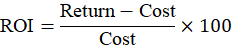
In this example, the calculation is . However, the result is meaningful only if the business can reasonably attribute that additional profit to the SEO work. Seasonality, paid advertising, pricing changes, and other marketing activity can affect the outcome. Treat early figures carefully and improve attribution as your measurement process develops.
7. Benefits of Hiring an SEO Consultant for Business Growth

A good consultant helps you make informed decisions about where to invest your time and marketing budget. They can identify technical barriers, uncover content opportunities, and improve how your website serves potential customers. Their value comes from combining expertise with a clear plan. The aim is not simply more visits but stronger organic search visibility and meaningful business outcomes.
SEO can also support other marketing channels. Useful search content may help sales teams answer customer questions, while better landing pages can improve the experience for visitors arriving from multiple sources. Over time, measurement reveals which pages attract relevant users and which need attention. Results depend on execution, competition, and the condition of your website, so continued review remains important.
Improve Visibility and Attract Qualified Traffic
SEO consultants help businesses reach people who are actively looking for relevant information, products, or services. They examine how pages appear on Search engine results pages (SERPs) and identify opportunities to make them more useful and relevant. Better targeting can attract visitors whose needs match what the business offers.
However, higher rankings do not guarantee higher sales. Search results change, competitors improve, and customers may choose other providers. Consultants should evaluate the quality of visits as well as their volume. Useful reporting can reveal whether the website attracts Qualified leads and whether those visitors continue toward meaningful actions.
Find Technical Problems and Missed Opportunities
A website can contain valuable information yet struggle to perform because of technical barriers. Search engines may have difficulty accessing important pages, or users may encounter slow loading and confusing navigation. A consultant can investigate these issues and recommend improvements based on their likely impact.
Technical work should be prioritized carefully. Fixing a problem that prevents important pages from being indexed may matter more than adjusting a minor detail on an already successful page. Consultants should explain the evidence behind their recommendations and monitor the results after implementation. This makes the work more focused and easier to evaluate.
Improve Leads, Sales, and Conversions
Attracting relevant visitors is only part of the process. Your website must also help them understand the offer, compare options, and take the next step. Consultants may work with designers and marketers on User experience (UX) and Conversion rate optimization to reduce confusion and improve key pages.
For example, a service page might receive steady traffic but few quote requests. The problem could involve unclear pricing information, weak trust signals, or a difficult contact form. Testing and improving these elements may help more visitors convert. The consultant should measure changes carefully and avoid claiming success based on a few isolated conversions.
Access Specialist Expertise Without Building a Full Team
Hiring a full-time technical SEO expert, content strategist, and digital PR specialist may not fit every business budget. A consultant can provide focused expertise when you need it, while your existing team handles implementation. This arrangement can be especially useful for smaller businesses with limited marketing resources.
However, outside advice is valuable only when recommendations can be put into practice. Before hiring, identify who will update the website, publish content, and resolve development issues. Some consultants provide implementation directly, while others rely on your employees or external partners. A clear division of responsibilities helps prevent delays and makes the engagement more productive.
Build a Sustainable SEO Strategy
Search behavior, competitors, and website needs change over time. A sustainable plan includes regular reviews, useful content updates, technical maintenance, and ongoing measurement. Consultants should also monitor relevant Google algorithm updates and explain whether a change requires action rather than reacting to every industry rumor.
Strong SEO is not a one-time trick. It involves improving the website, learning from performance data, and adapting when the evidence supports a change. A consultant should help your team understand why each priority matters. Over time, this process can support stronger visibility and a more reliable source of relevant visitors.
8. SEO Consultant vs. SEO Agency: Which Is Better?
An independent SEO consultant and an SEO agency can both help your business grow. The main difference is how they organize expertise and deliver the work. An independent consultant may provide direct access to a specialist, while an agency may offer a wider team. Neither model guarantees better results. Your choice should depend on project complexity, available resources, and the support you need.
Consider your internal capabilities before deciding. If your team can implement technical fixes and publish content, an experienced consultant may provide enough strategic guidance. If you need research, writing, development, digital PR, and campaign coordination, an agency may be more convenient. Compare the actual people, deliverables, and working methods rather than relying on the provider’s label.
Key Differences Between SEO Consultants and SEO Agencies
Consultants often work closely with business owners and marketing teams. They may focus on diagnosis, strategy, specialist advice, or selected implementation tasks. Agencies typically organize several services under one business, although their size and capabilities vary. Some agencies provide extensive implementation, while others mainly coordinate strategy and outside specialists.
The important question is who will do the work and how well they understand your business. Ask to meet the person responsible for your project and review examples of similar assignments. A smaller provider may offer excellent specialist knowledge, while a larger team may provide more capacity. The right choice depends on demonstrated ability, not company size alone.
| Comparison factor | Independent SEO consultant | SEO agency |
| Communication | Often direct access to the specialist | May involve an account manager and several specialists |
| Service range | Depends on the consultant’s skills | May cover multiple marketing disciplines |
| Implementation | May require your internal team or contractors | May provide in-house implementation |
| Flexibility | Can suit focused or specialized projects | Can suit broader, coordinated campaigns |
| Cost structure | May charge hourly or by project | May charge retainers or project fees |
When Should You Hire an Independent SEO Consultant?
An independent consultant can be a good fit when you need expert advice, a technical review, or a clear strategy. This model may suit a startup, a local business, or a marketing team that already has writers and developers. You can focus your budget on specialist knowledge rather than paying for services you do not need.
Before hiring, check the consultant’s workload and availability. One expert may offer excellent guidance but have limited capacity for urgent implementation. Ask how they handle complex tasks outside their specialty. If they collaborate with other professionals, clarify who manages the work and who remains accountable for the agreed deliverables.
When Is an SEO Agency the Better Choice?
An agency may be useful when your project requires several skills at once. A website migration, large content campaign, or international expansion may need technical SEO, writing, analytics, and development support. Coordinating these tasks through one provider can simplify communication and planning.
Still, do not assume every agency has all the expertise its website advertises. Ask which specialists will work on your account and whether they have relevant experience. Request a clear scope, realistic milestones, and examples of similar projects. You should understand how the team will communicate, measure progress, and respond when priorities change.
Can You Combine an SEO Consultant With an In-House Team?
A hybrid arrangement can work well when your business already has marketing and development staff. The consultant can identify priorities, provide technical guidance, and review progress. Your internal team can then implement changes and maintain the website. This approach gives the business access to outside expertise while keeping important knowledge within the company.
To make this arrangement work, assign clear responsibilities. Decide who approves recommendations, who updates the website, and who checks results. Agree on reporting schedules and a process for resolving disagreements. Regular communication helps the consultant and internal team work toward the same goals instead of duplicating tasks or leaving important work unfinished.
9. How We Evaluated and Selected the Top SEO Consultants

A useful directory needs a transparent selection process. Readers should understand why a provider appears and what evidence supports its profile. For this article, the listed companies are starting points for further research rather than an independently tested ranking. Their inclusion does not guarantee suitability, specific results, or a particular level of service for every business.
Before publication, an editorial team should verify each provider’s current services, official website, business details, relevant case studies, and available client feedback. It should separate verified facts from company claims and disclose any commercial relationships. This approach helps readers make informed comparisons and reduces the risk of treating marketing statements as proven results.
Our SEO Consultant Selection Criteria
A fair evaluation should consider several areas. Relevant experience shows whether a consultant understands the problems a business faces. Technical and strategic knowledge indicates whether they can identify issues and prioritize solutions. Communication and reporting reveal whether clients can understand the work and make decisions based on it.
Pricing transparency also matters. A detailed proposal should explain deliverables, timelines, responsibilities, and additional costs. Industry experience may carry more weight for specialized projects, such as large e-commerce websites or regulated businesses. No single factor should determine the final choice. Readers should compare the complete picture and select a provider whose strengths match their requirements.
How We Verify SEO Consultant Credentials and Results
Verification begins with the consultant’s official website and professional profile. Review service descriptions, biographies, case studies, and any relevant certifications. Where possible, seek independent confirmation through client references, credible reviews, or public examples of completed work. Certifications can show training, but they do not independently prove that a consultant delivers strong business results.
Case studies deserve particular attention. Check the starting point, timeframe, actions taken, and reported outcome. Ask whether the data covers organic traffic, leads, revenue, or rankings. These measures are not interchangeable. A provider should also explain external factors that may have influenced the results. If evidence is unavailable, label the claim appropriately rather than presenting it as independently verified.
How We Assess Reviews, Reputation, and Industry Expertise
Reviews can reveal useful details about communication, project management, and client satisfaction. However, a high star rating does not guarantee strong technical skills or relevant industry experience. Consider the number of reviews, their recency, the detail they contain, and whether the reviewer describes a project similar to yours.
Reputation should be one part of the evaluation rather than the deciding factor. Compare feedback with case studies, service details, and conversations with the consultant. Businesses should also disclose relevant commercial relationships when publishing directory recommendations. Paid placement should never be presented as proof that a provider offers better services than its competitors.
How Often Should an SEO Consultants Directory Be Updated?
An SEO directory becomes less useful when business details and service descriptions grow outdated. Review profiles on a defined schedule and check official links, current offerings, company status, and newly available evidence. Display a genuine review date so readers know when the information was last checked.
Readers should also have a way to report errors or suggest corrections. An editorial team can investigate these reports and update listings when reliable evidence supports a change. A clear update process helps maintain accuracy as businesses change their services, teams, and focus. It also makes the directory more useful over time.
Conclusion: Find the Right SEO Consultant for Your Business
Choosing the right expert starts with understanding your business goals. A consultant should explain how their services address your problems, what work they will perform, and how they will measure progress. Use this SEO Consultants Directory to research potential providers, compare relevant experience, and ask informed questions before committing your budget.
Remember that strong SEO depends on useful content, sound technical foundations, and consistent measurement. The right provider will help you understand priorities rather than promise overnight success. Compare at least three suitable candidates, review their evidence, and request proposals with clear deliverables. That process gives you a better foundation for building sustainable organic growth and improving your website’s value to customers.
Looking to Get Listed or Need a Top-Tier SEO Consultant?
Whether you want to feature your agency in our verified SEO directory or need a tailored organic growth strategy for your business, Rank Flow Experts is here to deliver measurable search performance.
The cost of hiring an SEO consultant typically ranges between $75 and $200 per hour if paying hourly, or $1,500 to $5,000 per month if hiring them on a recurring monthly retainer. However, pricing varies widely based on the consultant’s experience level, your industry’s competitiveness, and the pricing model you choose.
SEO is not dead, but it has evolved into a broader multi-platform and AI-driven discipline.
In SEO, a directory is a website or curated database that lists other websites, businesses, or services categorized by niche, industry, or geographic location.
The 80/20 rule in SEO (based on the Pareto Principle) states that roughly 80% of your search results, traffic, and conversions come from just 20% of your work, content, and keywords.
ChatGPT cannot do SEO completely on its own, but it functions as a powerful assistant to speed up and scale many search engine optimization tasks.